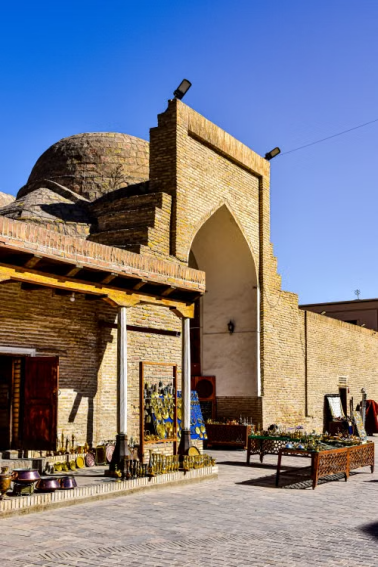
Whispers of Elegance: Redefining Hotel Design for the Modern Traveler
In an era where travel is no longer just a means of reaching a destination but an experience in itself, the hospitality industry stands at a crossroads. The modern traveler seeks more than just a place to rest—they yearn for immersion, authenticity, and a sense of belonging. Hotel design, once focused solely on functionality and luxury, is now evolving into an art form that tells a story, evokes emotion, and reflects the cultural and environmental ethos of its surroundings. This transformation is not merely about aesthetics; it is about creating spaces that resonate with the values, aspirations, and sensibilities of today’s discerning guest.
The shift in hotel design is driven by a confluence of factors, including technological advancements, sustainability imperatives, and a growing desire for experiential travel. Gone are the days when a plush bed and a minibar defined the epitome of luxury. Today, travelers crave spaces that are intuitive, adaptive, and deeply personal. They want to feel a connection to the place they are visiting, whether through locally inspired decor, immersive art installations, or thoughtfully curated amenities. As a result, architects and designers are reimagining hotel spaces not just as transient dwellings but as destinations in their own right—spaces that whisper elegance while speaking loudly about purpose and meaning.
The Philosophy Behind Modern Hotel Design
The core philosophy of contemporary hotel design revolves around the idea of “less is more,” but with a twist. Minimalism is no longer about stark emptiness; it is about creating a sense of calm and clarity through intentional design. Every element, from the furniture to the lighting, is chosen with purpose, ensuring that the space feels both luxurious and lived-in. This philosophy extends to the concept of “biophilic design,” where natural elements are seamlessly integrated into the built environment to foster a sense of well-being. Hotels now incorporate living walls, indoor gardens, and large windows that flood interiors with natural light, blurring the lines between indoor and outdoor spaces.
Another key principle is “authentic luxury,” which prioritizes quality over quantity. Modern travelers are willing to pay a premium for materials and craftsmanship that tell a story—handwoven textiles, reclaimed wood, and artisanal ceramics that reflect the local culture and heritage. This approach not only enhances the aesthetic appeal of a hotel but also fosters a deeper connection between the guest and the destination. Additionally, the concept of “hyper-personalization” is gaining traction, where hotels leverage technology and guest data to tailor the experience to individual preferences. Whether it’s a custom scent in the room, a curated playlist, or a personalized welcome note, these small touches create a sense of intimacy and exclusivity.
The Role of Technology in Shaping Hotel Design
Technology has become an indispensable tool in redefining hotel design, offering both functional and experiential enhancements. Smart rooms equipped with voice-activated assistants, automated lighting, and climate control systems are no longer a novelty but a standard expectation. However, the integration of technology goes beyond mere convenience; it is about creating seamless and intuitive interactions that enhance the guest experience. For instance, mobile check-in and keyless entry systems eliminate the need for front-desk interactions, allowing guests to move freely and privately from the moment they arrive.
The rise of the Internet of Things (IoT) has also enabled hotels to collect and analyze data to anticipate guest needs. Imagine a room that adjusts its temperature and lighting based on the guest’s preferences as soon as they enter, or a virtual concierge that provides personalized recommendations for dining, shopping, and local attractions. These innovations not only streamline operations but also create a sense of anticipation and delight. Furthermore, augmented reality (AR) and virtual reality (VR) are being used to offer immersive previews of hotel spaces, allowing guests to visualize their stay before booking. This not only builds trust but also sets the stage for a more informed and satisfying experience.
However, the challenge lies in balancing technology with human touch. While automation and digital tools can enhance efficiency, they must not overshadow the warmth and hospitality that define a memorable stay. The most successful hotel designs strike a harmonious balance, using technology to augment rather than replace the human element. This could mean integrating AI-driven solutions for routine tasks while ensuring that staff are empowered to provide genuine, personalized service when it matters most.
Sustainability: A Cornerstone of Modern Hotel Design
As global awareness about environmental issues grows, sustainability has become a non-negotiable aspect of modern hotel design. Travelers are increasingly conscious of their ecological footprint and seek accommodations that align with their values. Hotels are responding by adopting eco-friendly practices that reduce waste, conserve energy, and promote responsible tourism. This includes everything from using renewable energy sources and water-saving fixtures to implementing zero-waste policies and sourcing ingredients locally for their restaurants.
Architecturally, sustainability is reflected in the choice of materials and construction methods. Buildings designed with energy efficiency in mind often feature passive solar design, green roofs, and high-performance insulation to minimize energy consumption. Additionally, hotels are incorporating circular economy principles by repurposing and upcycling materials, reducing the demand for new resources. For example, an old shipping container might be transformed into a stylish boutique hotel room, or reclaimed wood might be used for flooring and furniture.
Beyond the physical structure, sustainability extends to the guest experience. Hotels are educating visitors about local ecosystems and conservation efforts, offering eco-tours, and encouraging responsible behavior through initiatives like towel reuse programs. Some properties even go a step further by partnering with environmental organizations or investing in carbon offset programs. These efforts not only contribute to the planet’s well-being but also resonate with travelers who view their stay as an opportunity to make a positive impact.
Cultural and Local Influences: Crafting Unique Identities
One of the most compelling trends in modern hotel design is the emphasis on cultural authenticity. Travelers today are not just looking for a place to sleep; they are seeking experiences that immerse them in the local culture, history, and traditions. Hotels are responding by weaving these elements into their design, creating spaces that feel rooted in their surroundings. This could mean incorporating traditional architectural styles, using local artisans for decor and furnishings, or featuring artwork created by regional artists.
A prime example is the rise of “boutique hotels” that celebrate the unique character of their location. These properties often draw inspiration from the history, folklore, and natural beauty of the area, resulting in a design that feels both timeless and distinctive. For instance, a hotel in Kyoto might blend traditional Japanese aesthetics with contemporary comforts, while a property in Marrakech could showcase intricate Moroccan tile work and lush courtyards. This approach not only enhances the guest experience but also supports local economies by fostering pride in cultural heritage.
Additionally, hotels are embracing the concept of “slow travel,” encouraging guests to linger longer and engage more deeply with the destination. This is reflected in the design of communal spaces, such as libraries, art galleries, and co-working areas, where travelers can connect, learn, and create. By fostering a sense of community, hotels are transforming themselves from mere lodging options into hubs of cultural exchange and creativity.
The Future of Hotel Design: Trends to Watch
The hospitality industry is in a constant state of evolution, and several emerging trends are set to redefine hotel design in the coming years. One such trend is the rise of “modular and adaptable spaces,” which allow hotels to reconfigure their layouts to meet changing guest needs. This could include movable walls, transformable furniture, and multi-functional rooms that can serve as both a workspace and a relaxation area. Such designs not only maximize space efficiency but also cater to the diverse needs of modern travelers, from digital nomads to families.
Another exciting development is the integration of wellness into hotel design. As mental and physical well-being take center stage, hotels are incorporating dedicated spaces for meditation, yoga, and fitness. These could range from rooftop gardens and spa sanctuaries to soundproofed nap pods and sensory deprivation tanks. The goal is to create an environment that promotes relaxation, rejuvenation, and holistic health. Some hotels are even partnering with wellness experts to offer personalized programs, such as nutrition consultations and mindfulness workshops.
The concept of “destination hotels” is also gaining momentum, where the hotel itself becomes a key attraction. These properties are designed to be destinations in their own right, offering unique amenities like private cinemas, rooftop pools, and on-site breweries. By providing experiences that cannot be replicated elsewhere, these hotels are redefining the meaning of luxury and exclusivity. Additionally, the rise of “micro-hotels” and “pod-style accommodations” caters to travelers seeking compact, efficient, and affordable stays without compromising on design or comfort.
Finally, the future of hotel design will be shaped by a greater focus on inclusivity and accessibility. Hotels are increasingly prioritizing designs that cater to guests with diverse needs, including those with disabilities, families with young children, and elderly travelers. This includes features like step-free access, adjustable-height fixtures, and sensory-friendly rooms. By creating spaces that are welcoming to all, hotels are not only broadening their appeal but also upholding the principles of equality and dignity.
Conclusion: A New Era of Hospitality
The modern traveler is no longer satisfied with a room that simply meets their basic needs. They seek spaces that inspire, connect, and elevate their journey, where every detail is thoughtfully curated to create a sense of elegance and purpose. Hotel design, once a static and formulaic discipline, has evolved into a dynamic and creative force that reflects the changing tides of society, technology, and culture. From sustainable practices and smart technology to cultural authenticity and wellness integration, today’s hotels are redefining what it means to provide a memorable stay.
As we look to the future, the most successful hotels will be those that embrace innovation while staying true to their core values—hospitality, sustainability, and human connection. The whispers of elegance in modern hotel design are not just about visual appeal; they are about creating experiences that linger in the hearts and minds of guests long after they have checked out. In this new era of hospitality, the hotel itself becomes a storyteller, crafting narratives that resonate with the modern traveler and setting the stage for unforgettable journeys.
About the Author