The Forgotten Paths of Travel History
Travel has always been more than just movement from one place to another—it has been a story of human curiosity, survival, and discovery. Long before the age of commercial airplanes and luxury cruises, travelers embarked on journeys that shaped cultures, economies, and even the course of history. Yet, some of these paths have been overshadowed by modernity, buried beneath the sands of time or forgotten in the relentless march of progress. These are the “Unearthed Journeys,” the forgotten routes that once connected civilizations, inspired legends, and revealed the ingenuity of ancient travelers.
What makes these journeys so compelling is not just their historical significance but the way they challenge our modern perceptions of travel. Today, we associate travel with speed, convenience, and comfort, but the forgotten paths of the past were often arduous, unpredictable, and even perilous. They were forged by necessity, ambition, or the unquenchable human desire to explore the unknown. By revisiting these routes, we gain a deeper appreciation for the resilience of those who ventured before us—and perhaps, a reminder of what travel truly means at its core.
Why Do Some Travel Paths Fade Into Obscurity?
Not all travel routes stand the test of time. Many once-bustling paths have been abandoned due to shifting geopolitical landscapes, environmental changes, or the rise of more efficient alternatives. Here are some key reasons why certain journeys have been forgotten:
- Economic Shifts: Trade routes like the Silk Road declined as new maritime trade routes opened up, making overland journeys less viable.
- Political Changes: Wars, conquests, and the fall of empires could disrupt established travel paths, leaving them abandoned or repurposed.
- Environmental Factors: Climate change, desertification, or natural disasters could render a path impassable, forcing travelers to find new routes.
- Technological Advancements: The invention of the steam engine, railways, and later airplanes rendered many ancient trails obsolete.
- Cultural Shifts: As societies evolved, some paths lost their religious, cultural, or economic importance, fading into obscurity.
These forgotten paths are not just relics of the past; they offer valuable lessons about adaptability, trade, and human connection. By studying them, we can better understand how travel has shaped—and continues to shape—the world.
The Silk Road: More Than Just a Trade Route
The Original Globalization Highway
The Silk Road is perhaps the most famous of all forgotten travel paths, stretching over 4,000 miles from China to the Mediterranean. It wasn’t a single road but a network of trade routes that connected the East and West for centuries. While its name evokes images of silk, the Silk Road was far more than a conduit for luxury goods—it was a vibrant exchange of ideas, religions, technologies, and cultures.
Through this network, Buddhism spread from India to China, paper-making technology traveled westward, and European explorers like Marco Polo documented their journeys, inspiring generations of adventurers. The Silk Road was also a melting pot of languages, cuisines, and artistic styles, making it one of history’s greatest cultural highways.
Myths and Misconceptions
Despite its fame, many myths surround the Silk Road. Contrary to popular belief, silk was not the only—and perhaps not even the most important—commodity traded along these routes. Spices, jade, gunpowder, and even ideas like paper and gunpowder itself traveled in both directions. Additionally, the Silk Road was not a single, continuous path but a series of interconnected trails that varied depending on seasons, political stability, and the whims of local rulers.
Another misconception is that the Silk Road was primarily a route for merchants. In reality, it was used by pilgrims, missionaries, diplomats, and nomadic tribes. The diversity of travelers reflects the diversity of exchanges that took place along this legendary network.
The Decline and Rediscovery
The Silk Road began to decline in the 15th century as European powers sought direct sea routes to Asia, bypassing the overland trails. The rise of maritime trade, combined with the Ottoman Empire’s control over key routes, made the Silk Road economically unviable. For centuries, it lay dormant, remembered only in historical texts and archaeological discoveries.
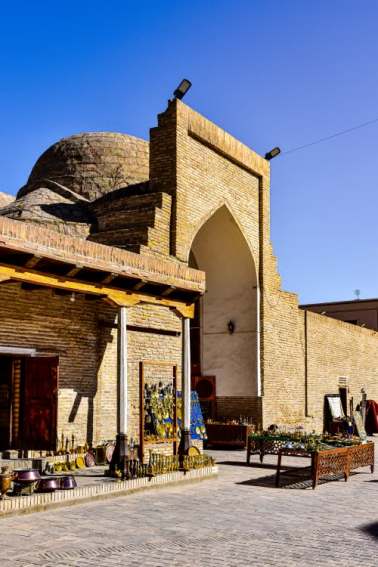
Today, efforts are underway to revive parts of the Silk Road as a cultural and tourism route. Countries like China, Uzbekistan, and Turkey are promoting sections of the ancient network as UNESCO World Heritage Sites, attracting travelers eager to walk in the footsteps of history’s greatest explorers.
The Trans-Saharan Trade Routes: A Desert’s Hidden Highways
Connecting Sub-Saharan Africa to the Mediterranean
Before the age of air travel and modern logistics, one of the most challenging yet vital travel networks was the Trans-Saharan trade routes. These paths crisscrossed the Sahara Desert, linking the gold-rich kingdoms of West Africa, such as Ghana and Mali, with the Mediterranean world. Caravans of camels, known as “fleets of the desert,” transported gold, salt, ivory, and slaves across vast distances, braving harsh conditions and bandits.
The most famous of these routes was the one used by Mansa Musa, the emperor of Mali, during his legendary pilgrimage to Mecca in the 14th century. His caravan, consisting of thousands of people and hundreds of camels laden with gold, was so extravagant that it reportedly disrupted the economies of cities he passed through. This journey highlighted the wealth and sophistication of West African empires and their integration into global trade networks.
The Role of Salt and Gold
Salt was as valuable as gold in these trade networks. In the Sahara, salt deposits were mined from places like Taghaza, where enslaved people and laborers worked under brutal conditions to extract the mineral. Salt was essential for preserving food in the tropical regions of West Africa, making it a prized commodity. Gold, on the other hand, was found in abundance in regions like Bambuk and Bure, fueling the economies of empires like Mali and Songhai.
The exchange of these resources was not just an economic transaction but a cultural one. Islamic scholars, traders, and artisans traveled along these routes, spreading their faith, knowledge, and craftsmanship across the continent. Timbuktu, a city in Mali, became a renowned center of learning, attracting scholars from across the Muslim world.
The End of an Era
The Trans-Saharan trade routes began to decline in the 16th century due to several factors. The Portuguese exploration of the West African coast provided direct sea routes to Europe, reducing the need for overland caravans. Additionally, the rise of European colonial powers disrupted traditional trade networks, and the Sahara’s harsh conditions made it increasingly difficult for caravans to operate safely.
Today, parts of these ancient routes are being rediscovered and studied by historians and archaeologists. Efforts are also being made to preserve the cultural heritage tied to these paths, such as the manuscripts of Timbuktu, which survived centuries of turmoil and are now being digitized for future generations.
The Camino de Santiago: A Pilgrimage Still Walked Today
The Way of St. James
Unlike the Silk Road and Trans-Saharan routes, the Camino de Santiago is not a forgotten path but one that has been continuously walked for over a thousand years. This ancient pilgrimage route leads to the Cathedral of Santiago de Compostela in northwestern Spain, where tradition holds that the remains of St. James the Apostle are buried. For medieval Christians, the Camino was one of the most important pilgrimages, second only to Rome and Jerusalem.
The Camino de Santiago is not a single route but a network of paths that converge on Santiago de Compostela. The most famous is the Camino Francés, which begins in St-Jean-Pied-de-Port, France, and stretches over 780 kilometers. Pilgrims from all over the world embark on this journey for spiritual reasons, personal challenge, or simply to experience the rich history and culture along the way.
A Pilgrimage of the People
What makes the Camino de Santiago unique is its enduring popularity across centuries. During the Middle Ages, thousands of pilgrims traveled the Camino, braving bandits, disease, and harsh weather. Today, the numbers have swelled, with over 300,000 pilgrims completing the journey each year. The Camino has evolved from a strictly religious pilgrimage to a journey of self-discovery, adventure, and cultural exchange.
The path is lined with historic monasteries, Romanesque churches, and medieval bridges, many of which have been preserved or restored. Pilgrims stay in albergues, simple hostels often run by volunteers, where they share meals, stories, and camaraderie with fellow travelers. The spirit of the Camino is one of equality and shared experience, where the journey itself is as important as the destination.
Modern Challenges and Revival
Despite its continued popularity, the Camino de Santiago faces challenges in the modern era. Over-tourism in some sections has led to debates about sustainability and the preservation of the path’s heritage. Additionally, commercialization has crept into the experience, with some pilgrims opting for guided tours or luxury accommodations instead of the traditional, humble journey.
Efforts are underway to balance preservation with accessibility. Organizations like the Spanish government and the Confraternity of St. James work to maintain the integrity of the Camino, ensuring it remains a meaningful experience for future generations. The path’s enduring appeal is a testament to the human desire for connection, reflection, and adventure—qualities that resonate as strongly today as they did a thousand years ago.
Why These Forgotten Paths Matter Today
A Lesson in Resilience and Adaptability
The forgotten paths of travel history are more than just historical curiosities—they are lessons in resilience, adaptability, and the power of human ingenuity. The travelers who braved the Silk Road, the Trans-Saharan routes, and the Camino de Santiago faced unimaginable challenges, from harsh climates to political instability. Yet, they persisted, forging connections that shaped the world we live in today.
In a time when travel is often reduced to a checklist of destinations, these paths remind us of the deeper purpose of journeying: the search for meaning, the exchange of ideas, and the forging of human connections. They challenge us to slow down, to look closer, and to appreciate the stories etched into the landscapes we traverse.
The Role of Forgotten Paths in Sustainable Tourism
As modern travelers become more conscious of their environmental and cultural impact, forgotten paths offer a model for sustainable tourism. Unlike mass tourism destinations, these routes often pass through rural communities, providing economic benefits to local populations while preserving cultural heritage. Walking these paths today is not just an act of homage to the past but a way to support sustainable and meaningful travel.
For example, sections of the Silk Road in Central Asia offer travelers the chance to experience untouched landscapes, ancient caravanserais, and vibrant bazaars where time seems to stand still. Similarly, the Trans-Saharan routes can be explored through carefully managed tours that prioritize cultural exchange and environmental stewardship. These journeys allow travelers to disconnect from the noise of modernity and reconnect with the essence of travel.
A Call to Rediscover the Past
The forgotten paths of travel history are not relics to be studied only in museums—they are living narratives that continue to inspire. By walking in the footsteps of ancient travelers, we not only honor their legacy but also gain a new perspective on our own journeys. Whether it’s tracing the steps of Marco Polo along the Silk Road, following the caravans of the Sahara, or embarking on the Camino de Santiago, these paths invite us to rediscover the joy of slow, intentional travel.
In a world where speed often trumps substance, the forgotten paths of the past remind us that the most meaningful journeys are not the ones that are quickest but the ones that are most deeply experienced. They challenge us to step off the beaten path, to seek out the stories hidden in the landscapes, and to travel with a sense of wonder and respect for the past. After all, every step we take today is a continuation of a journey that began thousands of years ago—one that connects us to the travelers who came before and those who will follow.
About the Author