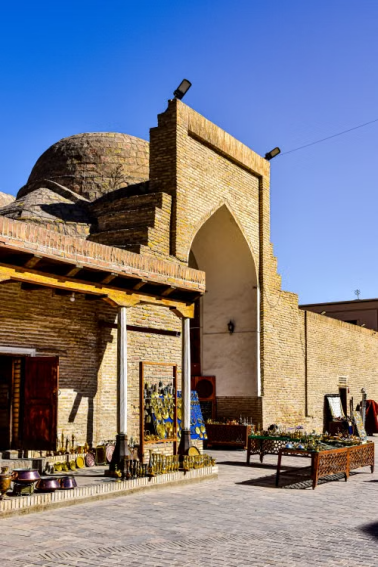
Uncharted Skies: Fresh Horizons in Travel
In an era where the world feels increasingly mapped and explored, a new wave of travel is emerging—one that seeks the extraordinary, the remote, and the uncrowded. “Uncharted Skies” isn’t just a metaphor; it’s a movement redefining how we perceive adventure. From the silent hum of electric aircraft to the quiet revolution of sustainable tourism, the horizons of travel are expanding in ways previously unimaginable. This isn’t about ticking off landmarks on a checklist; it’s about discovering places that remain untouched by mass tourism, where nature and innovation coexist. Whether it’s soaring above glaciers in a solar-powered plane or hiking through jungles where no tourist has ever set foot, the future of travel is about depth, not distance.
The Rise of Adventure Beyond the Beaten Path
The traditional bucket list—filled with Eiffel Towers and Machu Picchu—is giving way to a more introspective and immersive kind of exploration. Travelers today are craving authenticity, not just Instagram moments. This shift has led to the rise of “adventure beyond the beaten path,” where destinations are chosen not for their fame, but for their raw beauty and cultural richness.
Consider the Faroe Islands, where visitors are encouraged to hike along cliffs that drop into the North Atlantic or visit villages that still rely on fishing as their primary livelihood. Or the remote archipelago of Tuvalu in the Pacific, where low-lying atolls are a stark reminder of climate change and the fragility of island life. These places aren’t just escapes; they’re invitations to witness the world in its most unfiltered form.
For those willing to venture further, the Arctic and Antarctic regions offer experiences that were once the domain of scientists and explorers. Now, luxury expedition cruises and sustainable tourism initiatives are making these icy frontiers accessible—without the environmental guilt. Imagine kayaking among icebergs in Greenland or camping under the midnight sun in Svalbard, where the Northern Lights dance across the sky in winter. These destinations challenge us to think differently about travel, emphasizing responsibility as much as wonder.
Sustainable Skies: The Future of Eco-Conscious Travel
As the effects of climate change become impossible to ignore, the travel industry is under pressure to evolve. The days of guilt-free flying and irresponsible tourism are numbered. Enter the era of sustainable skies—a commitment to reducing carbon footprints while still exploring the globe. This isn’t about sacrificing adventure; it’s about reimagining it.
One of the most exciting developments is the advent of electric and hybrid aircraft. Companies like Heart Aerospace and Eviation are pioneering planes that run on electricity, promising quieter, cleaner flights for short-haul routes. Imagine hopping from Stockholm to Gothenburg in an electric aircraft that produces zero emissions, all while enjoying a view from the sky that’s as serene as it is sustainable.
Beyond air travel, sustainable tourism is taking root in how we experience destinations. Eco-lodges built from reclaimed materials, farm-to-table dining that supports local agriculture, and conservation-focused tours that protect wildlife are becoming the norm rather than the exception. In Costa Rica, for example, travelers can stay in jungle canopy lodges that double as research stations, contributing to the preservation of biodiversity while enjoying a once-in-a-lifetime experience.
Even the concept of “slow travel” is gaining traction. Instead of rushing from one city to another, travelers are opting to spend weeks or months in a single place, immersing themselves in the local culture and reducing their environmental impact. This could mean learning to cook traditional dishes in a small Italian village or volunteering on a permaculture farm in Thailand. Slow travel isn’t just a trend; it’s a philosophy that prioritizes connection over consumption.
Digital Nomadism: Work, Wander, Repeat
The global pandemic accelerated a trend that was already on the rise: digital nomadism. With remote work becoming the new normal for millions, the freedom to work from anywhere has unlocked a world of possibilities for those who want to combine productivity with exploration. The digital nomad lifestyle isn’t just about sipping coffee in a Bali café (though that’s part of it); it’s about discovering new cultures, languages, and landscapes while maintaining a career.
Countries around the world are taking notice. Portugal, Estonia, and Croatia are among the nations offering “digital nomad visas,” allowing remote workers to live and work in their borders for extended periods. These visas not only provide legal clarity but also foster a sense of community among like-minded individuals. Imagine spending your mornings working from a co-working space in Lisbon and your evenings exploring the historic neighborhoods by the Tagus River, or trading your laptop for a surfboard in Bali’s vibrant digital nomad hub.
But digital nomadism isn’t just about convenience; it’s about redefining what it means to have a home. For many, it’s a chance to break free from the 9-to-5 grind and create a life that’s as diverse as the places they visit. It’s also a way to support local economies in a meaningful way, whether by renting long-term in a small town or hiring local guides and services.
The Allure of the Unknown: Off-the-Grid Adventures
For those who crave the thrill of the unknown, off-the-grid adventures are the ultimate frontier. These aren’t your typical guided tours or luxury retreats; they’re journeys into the wild, where self-reliance and curiosity are the only compasses you need. From sailing across the Pacific on a traditional Polynesian outrigger canoe to trekking through the dense rainforests of Papua New Guinea, these experiences are as challenging as they are rewarding.
One of the most sought-after off-grid adventures is the traverse of the Himalayas’ high passes. Routes like the Annapurna Circuit or the Everest Base Camp trek offer not just breathtaking views, but a deep connection to the culture and spirituality of the Himalayan people. These journeys require preparation, resilience, and a willingness to embrace discomfort—but the rewards are unparalleled. There’s nothing quite like the feeling of standing on a mountain pass, surrounded by peaks that have witnessed centuries of human history, with only the sound of your own breath and the wind.
Another growing trend is the rise of “rewilding” travel. Inspired by the concept of rewilding ecosystems, this form of travel focuses on restoring balance—both in nature and within ourselves. Imagine spending a week in the Scottish Highlands, learning to track and identify wildlife while helping to restore degraded moorland. Or volunteering with a conservation project in Namibia, where you’ll work alongside researchers to protect endangered species like the black rhino. These experiences aren’t just adventures; they’re acts of service that leave a lasting impact on both the traveler and the planet.
Cultural Revival: Travel as a Force for Good
Travel has the power to preserve, revitalize, and celebrate cultures that are at risk of being lost. In an increasingly globalized world, indigenous traditions, languages, and crafts are disappearing at an alarming rate. But a new wave of travelers is seeking out opportunities to engage with and support these cultures, ensuring they thrive for generations to come.
In New Zealand, for example, the Māori people are reclaiming their language and traditions through cultural tourism. Visitors can participate in a traditional powhiri (welcome ceremony), learn about Māori carving and weaving, and even stay in a marae (communal meeting house). These experiences aren’t just tourist attractions; they’re a vital part of preserving Māori identity and heritage.
Similarly, in the Andes, communities are reviving ancient agricultural techniques like terracing and crop rotation, which were once essential for survival in the harsh mountain climate. Travelers can join workshops to learn these methods, helping to keep them alive while supporting local farmers. In Oaxaca, Mexico, visitors can immerse themselves in the vibrant world of Zapotec weaving, a tradition passed down through generations. By purchasing handmade textiles directly from artisans, travelers contribute to the economic sustainability of these communities.
Cultural revival travel isn’t about passive observation; it’s about active participation. It’s about sitting at a potter’s wheel in a Moroccan village, learning the rhythmic dance of shaping clay. It’s about joining a drumming circle in West Africa, feeling the pulse of centuries-old rhythms. It’s about understanding that travel can be a two-way street—where visitors give as much as they receive.
The Technology of Tomorrow: AI, VR, and the Future of Exploration
Technology is reshaping the way we explore the world, making the impossible not just possible, but accessible. Artificial intelligence, virtual reality, and augmented reality are opening up new frontiers in travel, blurring the lines between reality and imagination.
AI-powered travel assistants are revolutionizing trip planning. Imagine an app that curates personalized itineraries based on your interests, budget, and travel style, all while minimizing your environmental impact. These tools can suggest off-the-beaten-path destinations, recommend sustainable accommodations, and even connect you with local guides who share your values. Companies like Google Travel and TripIt are already integrating AI to make travel smoother and more intuitive.
Virtual reality is another game-changer, especially for those who dream of visiting places that are currently out of reach. Want to hike the Inca Trail or explore the depths of the Great Barrier Reef without leaving your living room? VR can take you there. But it’s not just about armchair travel; it’s about enhancing real-world experiences. Imagine using augmented reality glasses to overlay historical information as you walk through the ruins of Rome, or to identify constellations in the night sky while camping in the desert. These technologies are making travel more educational, immersive, and sustainable.
Drones are also transforming exploration, allowing travelers to capture stunning aerial footage of landscapes that were once inaccessible. From the surreal salt flats of Bolivia to the rugged fjords of Norway, drones are giving us a bird’s-eye view of the world’s most breathtaking places. Even in conservation efforts, drones are being used to monitor wildlife populations and track environmental changes in real time.
Challenges and Considerations: Traveling Responsibly in a Changing World
While the future of travel is filled with promise, it’s not without its challenges. Overtourism, climate change, and cultural exploitation are real threats that demand our attention. The key to sustainable and meaningful travel lies in responsibility—treading lightly, respecting local communities, and making choices that prioritize the long-term health of the planet.
One of the biggest challenges is overtourism, where popular destinations become overwhelmed by visitor numbers, leading to environmental degradation and a loss of authenticity. Cities like Venice and Barcelona have seen the consequences firsthand, with locals pushed out by rising rents and overcrowded streets. To combat this, travelers can seek out alternative destinations, visit during off-peak seasons, and support businesses that prioritize sustainability. For example, instead of visiting Santorini in the summer, consider exploring the lesser-known Cycladic islands like Milos or Folegandros. The goal isn’t to avoid places altogether, but to distribute the impact more evenly.
Climate change is another critical issue. The travel industry contributes to around 8% of global carbon emissions, with air travel being one of the biggest offenders. While technological advancements like electric aircraft are on the horizon, travelers can take immediate steps to reduce their footprint. Opt for direct flights to minimize takeoffs and landings, choose airlines that use sustainable aviation fuel, and offset your carbon emissions through reputable programs like Gold Standard or MyClimate. Even small changes, like packing light or using public transportation at your destination, can make a difference.
Cultural sensitivity is equally important. Travelers must approach new cultures with humility and respect, avoiding behaviors that exoticize or appropriate local traditions. This means researching local customs before visiting, dressing appropriately, and asking for consent before taking photos of people or sacred sites. It also means supporting local businesses rather than international chains, ensuring that the economic benefits of tourism stay within the community.
Your Journey Awaits: How to Start Exploring Uncharted Skies
Ready to step beyond the ordinary and into the extraordinary? Here’s how you can begin your journey toward uncharted skies and fresh horizons:
- Step out of your comfort zone: Start by choosing a destination that challenges you. It could be a remote village, a challenging hike, or a country where you don’t speak the language. The goal is to embrace the unknown.
- Travel slow: Extend your stay in one place. Rent an apartment, take a local cooking class, or volunteer with a community project. Slow travel allows you to form deeper connections and reduce your environmental impact.
- Support sustainable businesses: Look for accommodations, tour operators, and restaurants that prioritize eco-friendliness and fair labor practices. Certifications like Green Key, EarthCheck, or Fair Trade can help guide your choices.
- Use technology wisely: Leverage AI and VR to plan your trips, but don’t let technology replace real-world experiences. The best adventures happen when you disconnect and immerse yourself in the moment.
- Give back: Whether it’s through voluntourism, donating to local conservation projects, or simply leaving a place better than you found it, make your travel meaningful by contributing to the well-being of the communities you visit.
- Document responsibly: Share your experiences on social media, but do so with intention. Highlight the beauty of the destination without exploiting its people or environment. Use your platform to inspire others to travel responsibly.
Final Thoughts: The Sky’s the Limit
The world is vast, and there’s still so much left to discover. From the highest peaks to the deepest oceans, from the quietest villages to the most vibrant cities, the horizons of travel are endless. But this new era of exploration isn’t just about seeing more—it’s about seeing differently. It’s about traveling with purpose, respect, and wonder.
“Uncharted Skies” invites us to reimagine what travel can be: a force for connection, conservation, and cultural revival. It challenges us to leave behind the familiar and embrace the unknown, not as tourists, but as stewards of the planet. The future of travel is here, and it’s waiting for you to take the first step.
So pack your bags, but pack lightly. Leave room for spontaneity, for serendipity, and for the magic that happens when you venture beyond the map. The sky isn’t the limit—it’s just the beginning.
About the Author