Introduction & Background
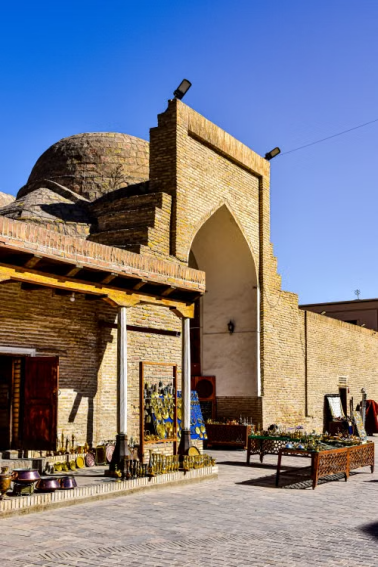
Travel today is no longer just about ticking off famous landmarks or crowded tourist hotspots. Instead, a new wave of adventurers seeks experiences that go beyond the ordinary, uncovering places that remain untouched by mass tourism. These hidden gems offer not only breathtaking beauty and cultural richness but also a chance to connect deeply with local traditions and untold stories. As global connectivity improves and travelers prioritize authenticity, the concept of exploring lesser-known destinations has gained remarkable momentum. This shift reflects a growing desire to step away from the familiar, embrace the unexpected, and rediscover the world on a more personal level.
Concept & Overview
Traveling to hidden gems means venturing off the beaten path to discover destinations that are not typically featured in guidebooks or highlighted by travel influencers. These places often retain their original charm, preserving traditions, architecture, and natural landscapes in ways that popular destinations cannot. The core idea is to seek out locations that offer genuine cultural immersion, sustainable tourism opportunities, and a sense of discovery. Such journeys require curiosity, flexibility, and sometimes a bit of planning, but the rewards are immeasurable. Whether it’s a quiet village in the Alps, a remote island in Southeast Asia, or a historic town in Eastern Europe, hidden gems provide travelers with unique stories to share and memories to cherish.
Key Features & Highlights
- Authentic Cultural Experiences: Hidden gems allow travelers to engage directly with local customs, festivals, and daily life without the interference of commercial tourism. This creates opportunities to learn traditional crafts, taste home-cooked meals, and participate in community events.
- Pristine Natural Landscapes: Many lesser-known destinations boast untouched beaches, lush forests, and dramatic mountain ranges that remain free from overdevelopment. These places offer a chance to reconnect with nature in its purest form.
- Rich Historical Context: Historic towns and archaeological sites that have not been overly restored often tell deeper, more nuanced stories about the past. Visitors can explore ancient ruins, medieval castles, and colonial architecture in solitude.
- Sustainable Travel Opportunities: Smaller, less-visited locations often rely on eco-friendly tourism. Travelers can support local economies, reduce their environmental impact, and contribute to the preservation of cultural heritage.
- Personalized Itineraries: Unlike crowded tourist routes, hidden gems allow for spontaneous exploration and tailored travel plans. Whether it’s hiking a quiet trail or enjoying a meal in a family-run restaurant, every experience feels uniquely yours.
Frequently Asked Questions / Pros & Cons
What makes a destination a “hidden gem”?
A hidden gem is typically characterized by its lack of mainstream recognition, limited tourist infrastructure, and preserved authenticity. These places are often discovered by word of mouth, local recommendations, or travelers who prioritize exploration over popular itineraries. The absence of large crowds allows for a more intimate and meaningful travel experience.
Pros of exploring hidden gems:
- Fewer crowds, leading to greater tranquility and personal space.
- Lower costs compared to popular tourist destinations.
- Deeper cultural connections and opportunities to interact with locals.
- Encourages sustainable and responsible tourism by supporting small communities.
Cons to consider:
- Limited access to modern amenities, such as high-speed internet or luxury accommodations.
- Potentially less developed infrastructure, which may require extra preparation and flexibility.
- Fewer guided tours or organized activities, making self-reliance essential.
- Possible language barriers or limited availability of English speakers in remote areas.
How can I find reliable information about hidden gems?
Start by consulting travel blogs written by independent explorers, joining online forums dedicated to off-the-beaten-path travel, or reading books by authors who specialize in hidden destinations. Social media platforms like Instagram and YouTube can also offer visual inspiration, but always cross-check facts with recent reviews or local insights. Local tourism offices and regional travel guides are valuable resources for authentic recommendations.
Is it safe to travel to these remote destinations?
Safety depends largely on the destination and your preparedness. Researching local customs, health advisories, and transportation options is crucial. Stick to well-reviewed accommodations, ask locals for advice, and avoid isolated areas at night. Travel insurance that covers remote destinations is highly recommended, as medical facilities may be limited. When in doubt, traveling with a trusted guide or joining small group tours can enhance both safety and enjoyment.
Practical Guidance & Solutions
If you’re eager to explore the world’s hidden gems, start by identifying your travel style and priorities. Are you drawn to serene landscapes, historic towns, or vibrant local cultures? Once you have a clear vision, begin your research using a mix of online and offline resources. Travel blogs and forums like Nomadic Matt or Hidden Compass offer curated lists and firsthand accounts from fellow travelers. You can also connect with locals through platforms like Couchsurfing or Workaway to gain insider tips and even homestay opportunities.
When planning your itinerary, allow for flexibility. Hidden gems often require extra travel time, whether it’s a long bus ride, a ferry crossing, or a hike to reach your destination. Pack light but smart: bring essentials like a reusable water bottle, a portable charger, and any necessary medications. Learning a few basic phrases in the local language can go a long way in building connections and navigating daily interactions.
For those concerned about safety and logistics, consider traveling during the off-peak season to avoid both crowds and harsh weather conditions. Book accommodations in advance, but leave room for spontaneity in your daily plans. Staying in family-run guesthouses or small inns not only supports the local economy but also provides a more authentic experience. Finally, keep an open mind and embrace the unexpected, some of the best travel stories come from unplanned detours and chance encounters.
Conclusion
The world is brimming with hidden gems waiting to be discovered by curious travelers. These destinations offer more than just a break from the ordinary; they provide a chance to see the world through fresh eyes and connect with people and places on a deeper level. By stepping away from the crowds and embracing the unknown, you open yourself up to experiences that are as enriching as they are unforgettable. So pack your bags, leave the guidebook behind, and let the journey lead you to the world’s most extraordinary secrets. The adventure of a lifetime could be just one step away.
About the Author