The Grand Narrative: Unraveling the Timeless Tales of Hotel History
Few institutions embody both human ambition and cultural evolution as vividly as the hotel. From ancient caravansaries to the opulent grand hotels of the 19th century, and from the modern boutique establishments to the digital-first hospitality platforms of today, hotels have always been more than mere places to rest—they are living archives of society, economics, and design. The story of hotels is a grand narrative woven with threads of trade, diplomacy, innovation, and luxury. To understand this history is to trace the very evolution of human mobility, hospitality, and imagination.
The Ancient Roots: Inns and Caravansaries
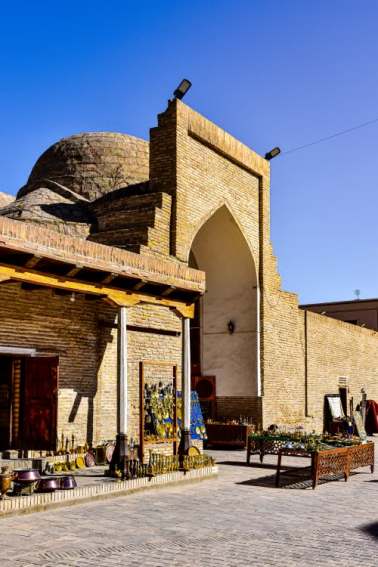
The concept of offering temporary lodging for travelers dates back to antiquity. In the ancient Near East, caravansaries—fortified inns along trade routes—served as vital nodes in the Silk Road and other transcontinental pathways. These structures, often built by rulers or merchants, provided shelter, safety, and sometimes even medical care to caravans carrying goods across vast distances. One of the earliest known examples is the *caravanserai* of ancient Persia, where travelers could rest, exchange goods, and share news. These establishments were not just practical; they were diplomatic meeting points, fostering cultural exchange between traders, pilgrims, and diplomats from diverse civilizations.
Similarly, in the Roman Empire, *mansiones*—official stopping places along imperial roads—were established by the state to accommodate officials and messengers. These evolved into *tabernae*, roadside inns offering food and lodging to merchants and travelers. While often rudimentary, these early forms of hospitality laid the foundation for the idea that strangers deserved temporary refuge—a principle that would later define the ethos of modern hospitality.
The Rise of the Grand Hotel: Symbols of Power and Prestige
The 19th century marked a turning point in hotel history with the emergence of the “grand hotel”—a new architectural and social phenomenon designed not just for utility, but for spectacle and status. These opulent establishments became symbols of national pride, technological progress, and social hierarchy. The term “grand hotel” itself was popularized in Europe, particularly in cities like Paris, London, and Rome, where luxury and grandeur were paramount.
Among the most iconic was the *Hôtel de Crillon* in Paris, opened in 1909, which embodied the elegance of the Belle Époque. Similarly, the *Savoy Hotel* in London (1889) became a cultural hub for artists, writers, and royalty, hosting figures like Oscar Wilde and Enrico Caruso. These hotels were more than accommodations; they were stages where high society performed, where business deals were struck, and where the very idea of leisure travel was redefined.
In the United States, the grand hotel tradition flourished in places like Saratoga Springs, New York, and Chicago, where massive wooden structures catered to wealthy visitors during the Gilded Age. The *Palmer House* in Chicago (1871), rebuilt after the Great Fire, became a symbol of resilience and grandeur, offering 1,200 rooms and hosting U.S. presidents and European aristocrats. These hotels were designed to impress—with marble foyers, crystal chandeliers, and lavish gardens—reflecting the ambitions of a new industrial elite.
The Golden Age of Grand Hotels: Innovation and Identity
The early to mid-20th century is often considered the golden age of grand hotels, a period when these establishments became architectural landmarks and cultural icons. In Europe, hotels like the *Ritz* in Paris (1898) and the *Grand Hotel* in Rome (1894) set new standards for luxury and service. César Ritz, often called the “king of hoteliers,” revolutionized hospitality by emphasizing personalized service, spotless cleanliness, and culinary excellence—principles that remain foundational in luxury hotels today.
In Asia, the *Raffles Hotel* in Singapore (1887) became a symbol of colonial glamour and cosmopolitanism, hosting writers, spies, and adventurers. Its Long Bar, where the Singapore Sling was invented, remains a legendary gathering place. Meanwhile, in Africa and the Middle East, grand hotels such as Cairo’s *Shepheard’s Hotel* (1841) and Jerusalem’s *King David Hotel* (1931) became stages for political intrigue and cultural exchange, serving as neutral ground during turbulent times.
This era also saw the rise of themed and destination hotels, particularly in exotic locations. The *Mount Nelson Hotel* in Cape Town (1894) catered to British travelers seeking respite from European winters, while the *Hotel del Coronado* in San Diego (1888) became a symbol of American leisure and innovation. These hotels were not just places to stay—they were destinations in themselves, offering experiences that transcended mere accommodation.
Post-War Transformation: Modernity and Mass Tourism
The aftermath of World War II brought profound changes to the hotel industry. The rise of commercial aviation, the expansion of middle-class wealth, and the growth of mass tourism transformed hotels from elite enclaves into accessible destinations. In the 1950s and 1960s, the hotel industry adapted to a new demographic—families, business travelers, and tourists seeking convenience and affordability. Chain hotels began to dominate, offering standardized amenities and predictable service across continents.
This period saw the birth of the modern business hotel, epitomized by chains like *Hilton*, *Sheraton*, and *Marriott*. The *Hilton Hotel* in San Francisco (1959) became a model for urban business travel, with its sleek design and integrated conference facilities. Meanwhile, resort hotels in places like Miami Beach and Acapulco catered to vacationers seeking sun, sand, and entertainment. The rise of air conditioning and television further enhanced the comfort and appeal of these new establishments.
Yet, alongside this standardization, a counter-movement emerged in the 1970s and 1980s: the boutique hotel. Spearheaded by visionaries like Ian Schrager and Steve Rubell with their *Studio 54*-adjacent *Hotel* in New York (1980), boutique hotels rejected the impersonal nature of chains. They embraced individuality, quirky design, and a focus on local culture—trends that would later evolve into the “lifestyle hotel” concept of the 21st century.
Digital Revolution: The Age of Disruption and Personalization
The 21st century has ushered in an era of digital transformation that has redefined every aspect of the hotel experience. The rise of online travel agencies (OTAs) like Booking.com and Expedia democratized access to hotel bookings, shifting power from hoteliers to consumers. Meanwhile, platforms like Airbnb introduced the concept of peer-to-peer accommodation, challenging traditional notions of hospitality and ownership.
Technology has also revolutionized the guest experience. Mobile check-in, keyless entry, and AI-powered concierge services have streamlined operations and enhanced convenience. Hotels now leverage big data to personalize stays, predicting guest preferences from past visits and tailoring recommendations accordingly. The *Wynn Las Vegas*, for instance, uses advanced analytics to customize room settings, dining options, and even the temperature in the lobby based on guest behavior.
Sustainability has also become a defining feature of modern hotel design and operations. From LEED-certified buildings to zero-waste initiatives, hotels are responding to global calls for environmental responsibility. The *Six Senses* brand, for example, is renowned for its eco-friendly resorts that blend luxury with conservation, offering guests experiences that are as mindful as they are indulgent.
The Future: Experiential, Immersive, and Hyper-Personalized
As we look to the future, the hotel industry is poised for further transformation. The post-pandemic world has accelerated trends toward health, safety, and wellness, with hotels integrating advanced air filtration systems, contactless technologies, and wellness-focused amenities. The rise of “bleisure” travel—combining business and leisure trips—has led to hybrid hotel models that cater to both productivity and relaxation.
Emerging technologies like virtual reality (VR), augmented reality (AR), and the metaverse are poised to redefine how guests interact with hotels. Imagine previewing a hotel room in VR before booking, or attending a virtual event hosted by a hotel in a distant city. These innovations promise to make the booking and experience more immersive and engaging.
Moreover, hotels are increasingly becoming cultural hubs, hosting art exhibitions, music festivals, and culinary events. The *Ace Hotel* chain, for example, has built its brand around community and creativity, transforming former industrial buildings into vibrant social spaces. This trend reflects a broader societal shift toward valuing experiences over possessions—a shift that hotels are uniquely positioned to fulfill.
Conclusion: More Than Four Walls and a Roof
The history of hotels is not just a chronicle of bricks, mortar, and luxury. It is a mirror to human progress—a reflection of our desires for comfort, connection, and self-expression. From the caravansaries of ancient trade routes to the smart hotels of the digital age, these establishments have adapted to changing times while preserving a core mission: to welcome the stranger and create moments of respite and wonder.
As we move forward, the grand narrative of hotel history continues to unfold. It is a story of innovation, resilience, and reinvention—a testament to humanity’s enduring need for shelter, community, and beauty. In every grand lobby, every cozy suite, and every digital check-in, the legacy of hospitality lives on, inviting us to be part of its next chapter.
About the Author