The Grand Evolution: From Inns to Luxury Palaces – A Journey Through Hotel History
Hotels are more than just places to rest; they are living museums of human progress, reflecting economic shifts, cultural exchanges, and technological advancements. The journey of hotels from humble roadside inns to opulent luxury palaces is a fascinating tale of ambition, innovation, and changing societal needs. This evolution mirrors humanity’s own growth—from the simple quest for shelter to the pursuit of comfort, status, and unforgettable experiences. As we trace this grand history, we uncover not just the buildings themselves, but the stories of travelers, entrepreneurs, and visionaries who shaped the way we stay overnight today.
The Dawn of Hospitality: Ancient and Medieval Inns
Long before the word “hotel” existed, hospitality was a sacred duty. In ancient civilizations, travelers relied on the generosity of locals or religious institutions for shelter. In Greece, the *pandocheion* (πανδοχεῖον) was an early form of inn that welcomed all visitors, often run by individuals or religious orders. Similarly, Roman *tabernae* provided basic accommodations along trade routes, though their primary purpose was often commerce rather than rest.
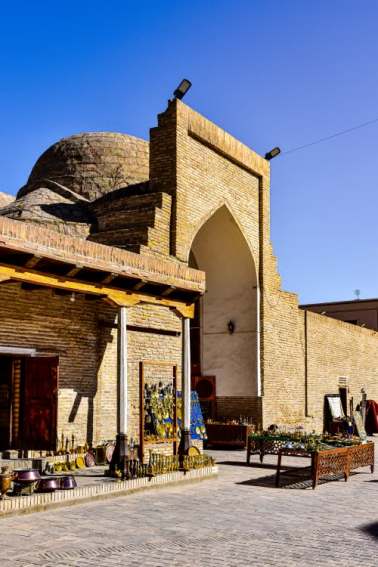
The medieval period saw the rise of monastic guesthouses, where monks offered hospitality as part of their religious duty. These establishments, though modest, were crucial for pilgrims and merchants traversing Europe. Along trade routes like the Silk Road, caravanserais emerged—fortified inns that provided safety, food, and rest for travelers and their animals. These structures were practical rather than luxurious, designed to serve the needs of the journey rather than the comfort of the guest.
By the late Middle Ages, secular inns began to appear in Europe, catering to merchants, nobles, and travelers. These inns were often rough-hewn, with shared sleeping quarters and basic amenities. Yet, they played a vital role in the growing network of trade and communication, laying the groundwork for the hospitality industry we recognize today.
The Birth of Modern Hotels: 18th and 19th Centuries
The industrial revolution sparked a demand for more sophisticated lodging. As railways expanded in the 19th century, so did the need for hotels that could accommodate travelers on the move. The first “modern” hotel is often credited to the *City Hotel* in New York, which opened in 1794 and introduced the idea of private rooms for guests—a radical departure from the dormitory-style accommodations of the past.
In Europe, grand hotels began to emerge as symbols of opulence and status. The *Grand Hotel* in Paris, opened in 1862, set a new standard with its lavish interiors, gas lighting, and elevators—technological marvels of the era. Meanwhile, in Switzerland, the *Rigi Kulm Hotel* (1816) became one of the first mountain resorts, catering to wealthy tourists seeking fresh air and scenic views. These establishments were not just places to sleep; they were destinations in themselves, offering dining rooms, ballrooms, and libraries that rivaled the finest clubs of the time.
The concept of branding and chain hotels also took root during this period. The *Savoy Hotel* in London, opened in 1889 by César Ritz and Auguste Escoffier, became synonymous with luxury and fine dining. Its success demonstrated that hotels could be more than just lodging—they could be experiences that elevated the act of travel.
The Golden Age of Grand Hotels: Early 20th Century
The early 20th century marked the zenith of grand hotels, particularly in Europe and the United States. These palatial structures were architectural masterpieces, often commissioned by railroad tycoons or industrialists who sought to leave a legacy. The *Palace Hotel* in San Francisco (1875), the *Ritz Paris* (1898), and the *Waldorf Astoria* in New York (1893) became icons of elegance, attracting royalty, celebrities, and business magnates.
This era also saw the rise of themed hotels and resorts. In the United States, grand railway hotels like the *Fairmont Banff Springs* (1888) in Canada and the *The Broadmoor* (1918) in Colorado became symbols of Western hospitality, offering guests a blend of luxury and adventure. Meanwhile, in Europe, spa towns like Baden-Baden and Vichy flourished, with hotels offering therapeutic treatments and social gatherings for Europe’s elite.
Technological innovations further transformed the hotel experience. Electric lighting, telephones, and en-suite bathrooms became standard amenities, while the automobile and commercial aviation expanded the reach of hotels beyond railway hubs. The *Statler Hotels* chain in the U.S., founded in 1901, pioneered the concept of standardized comfort, offering middle-class travelers a taste of luxury at affordable prices.
The Mid-Century Shift: From Luxury to Accessibility
The post-World War II era brought significant changes to the hotel industry. The rise of the middle class and the growth of commercial travel created demand for more accessible accommodations. Motels—simple, roadside lodgings designed for automobile travelers—became ubiquitous in the U.S. and later around the world. Brands like *Holiday Inn* (founded in 1952) and *Best Western* (1946) standardized service and amenities, making travel less intimidating for the average person.
Meanwhile, luxury hotels adapted by emphasizing exclusivity and personalized service. The *Four Seasons Hotels and Resorts*, founded in 1960, redefined luxury by focusing on consistent quality and tailored guest experiences. In Europe, historic hotels like the *Hotel de Paris* in Monte Carlo and the *Hôtel du Cap-Eden-Roc* in Antibes became playgrounds for the ultra-wealthy, offering privacy and discretion.
This period also saw the emergence of resort culture. Beach destinations like Hawaii, the French Riviera, and the Caribbean became synonymous with relaxation and glamour, with hotels like the *Royal Hawaiian Hotel* (1927) and *The Dorchester* (1931) setting the standard for tropical luxury. The concept of the all-inclusive resort, pioneered by *Club Med* in the 1950s, further democratized luxury travel by bundling accommodations, food, and activities into a single package.
The Digital Revolution: Hotels in the 21st Century
The late 20th and early 21st centuries brought unprecedented change to the hotel industry, driven by technology and shifting consumer expectations. The internet revolutionized how guests book and research hotels, leading to the rise of online travel agencies (OTAs) like *Booking.com* and *Expedia*. Meanwhile, the *Airbnb* phenomenon (2008) disrupted the traditional hotel model by offering travelers homestays and unique local experiences.
Hotels responded by embracing digital transformation. Mobile check-ins, keyless entry systems, and AI-powered concierge services became standard in many establishments. The *Marriott* and *Hilton* chains invested heavily in loyalty programs and personalized marketing, using data analytics to tailor offerings to individual guests. Boutique hotels, which emphasize unique design and local culture, gained popularity as travelers sought authenticity over homogeneity.
Sustainability also became a defining feature of modern hotels. From energy-efficient designs to zero-waste initiatives, properties like *Six Senses* and *1 Hotels* lead the charge in eco-friendly luxury. The COVID-19 pandemic further accelerated change, forcing hotels to adapt to new health and safety protocols while reimagining the role of hospitality in a post-pandemic world.
Iconic Hotels Through the Ages: A Legacy of Luxury and Innovation
Throughout history, certain hotels have stood out not just for their architecture or amenities, but for the stories they’ve witnessed. Below are some of the most legendary hotels that have shaped the industry:
- The Tremont House (Boston, 1829): Often considered America’s first grand hotel, it introduced private rooms, bellhops, and in-room amenities like water pitchers and soap.
- The Ritz (Paris, 1898): A symbol of old-world elegance, it set the standard for luxury hospitality with its opulent interiors and impeccable service.
- The Savoy (London, 1889): Founded by César Ritz, it became the birthplace of modern luxury hotels, with the world’s first in-house theater and a legendary chef, Auguste Escoffier.
- The Waldorf Astoria (New York, 1893): A gathering place for high society and world leaders, it redefined urban luxury with its grandeur and innovation.
- The Burj Al Arab (Dubai, 1999): A modern icon, often called the world’s only seven-star hotel, it blends futuristic design with Arabian hospitality.
- The Ace Hotel (Portland, 2005): A pioneer of the boutique hotel movement, it redefined urban stays with its hip, community-focused approach.
The Future of Hotels: Trends and Predictions
As we look to the future, the hotel industry is poised for further transformation. Several key trends are likely to shape the next decade of hospitality:
- Hyper-Personalization: Hotels will leverage AI and big data to create hyper-personalized experiences, from room preferences to curated local itineraries.
- Tech-Driven Convenience: Virtual reality tours, robot concierges, and seamless mobile experiences will become the norm, reducing friction in the guest journey.
- Sustainability as a Standard: Eco-friendly practices will no longer be optional but essential, with hotels adopting circular economies, renewable energy, and carbon-neutral operations.
- Wellness-Centric Design: The post-pandemic focus on health will lead to hotels offering integrated wellness programs, from sleep optimization to mental health retreats.
- Blurred Lines Between Home and Hotel: Extended-stay and residential hotels will gain traction, offering guests the comforts of home with the services of a luxury property.
- Cultural and Experiential Stays: Travelers will seek hotels that tell a story, whether through local art, heritage preservation, or immersive cultural exchanges.
Conclusion: The Ever-Evolving Hotel Experience
The history of hotels is a testament to humanity’s unyielding desire for connection, comfort, and discovery. From the humble inns of ancient trade routes to the artificial intelligence-driven palaces of tomorrow, hotels have evolved alongside the societies that built them. They are more than structures; they are time capsules, capturing the spirit of each era in their architecture, service, and ethos.
As we move forward, one thing is clear: the essence of hospitality—welcoming strangers and making them feel at home—remains unchanged. Yet, the ways in which we achieve that essence continue to evolve, driven by technology, sustainability, and the ever-changing desires of travelers. Whether you’re a history buff marveling at the opulence of the *Ritz* or a modern traveler seeking a boutique eco-hotel, the story of hotels is your story too. It’s a story of progress, of dreams realized, and of the enduring human need to explore, connect, and belong—one night at a time.
About the Author