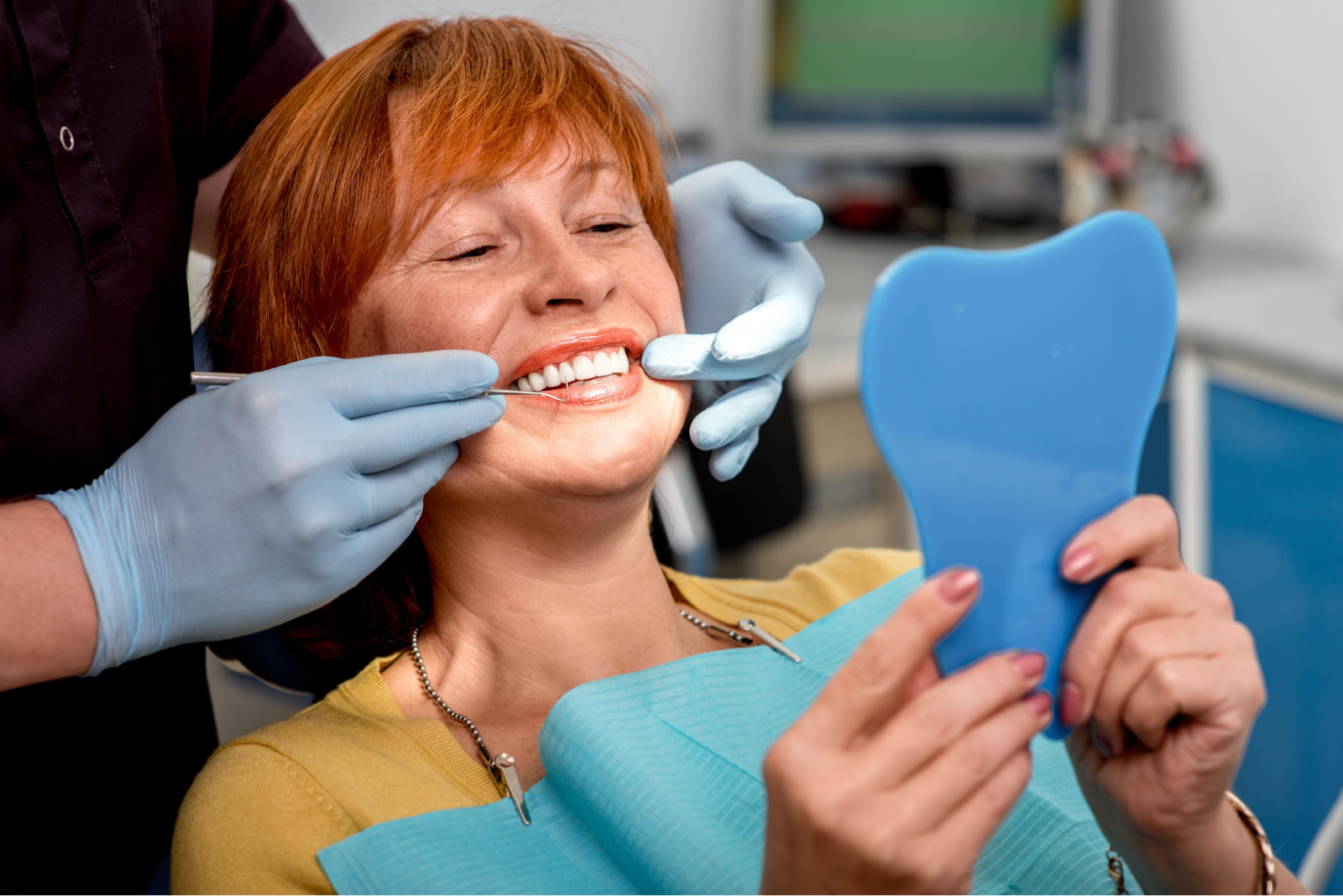
Tooth loss can significantly impact a person’s quality of life, affecting both appearance and functionality. Fortunately, modern dentistry offers several effective solutions for tooth replacement, with dental implants and full dentures being the most popular options. This article explores these two methods, their benefits, considerations, and how to choose the right solution for individual needs.
Understanding Dental Implants
Dental implants are artificial tooth roots made of biocompatible materials, usually titanium. They are surgically placed into the jawbone, providing a sturdy foundation for replacement teeth. This method not only restores the appearance of missing teeth but also helps maintain jawbone health by stimulating bone growth.
Benefits of Dental Implants
- Natural Look and Feel: Dental implants closely resemble natural teeth in both appearance and function, offering a seamless smile.
- Durability: With proper care, dental implants can last a lifetime, making them a long-term investment in dental health.
- Bone Preservation: Implants prevent bone loss that occurs after tooth loss, promoting better oral health and facial structure.
- Improved Functionality: Unlike dentures, implants allow individuals to eat and speak normally without worrying about slippage or discomfort.
- Minimal Maintenance: Dental implants require routine dental hygiene similar to natural teeth, with no special care needed.
Considerations for Dental Implants
While dental implants offer numerous advantages, they may not be suitable for everyone. Factors to consider include:
- Bone Density: Adequate jawbone density is crucial for implant placement. Those with insufficient bone may require a bone graft procedure before receiving implants.
- Health Conditions: Certain medical conditions, such as uncontrolled diabetes or smoking, can affect healing and implant success.
- Cost: Dental implants tend to be more expensive upfront than other options, although they may save money over time due to their durability.
Exploring Full Dentures
Full dentures are removable dental appliances designed to replace all the teeth in the upper or lower jaw. They consist of a gum-colored acrylic base that supports artificial teeth, providing a functional and aesthetic solution for those who have lost all their teeth.
Benefits of Full Dentures
- Affordability: Full dentures are generally more affordable than dental implants, making them a viable option for those on a budget.
- Immediate Results: Dentures can be fabricated and placed relatively quickly, allowing for immediate improvement in appearance and function after tooth loss.
- Easy Maintenance: Unlike dental implants, dentures can be easily removed for cleaning, requiring minimal upkeep.
- Versatile Fit: Dentists can adjust dentures to ensure a comfortable fit, accommodating changes in the mouth over time.
Considerations for Full Dentures
While full dentures offer significant benefits, they come with some drawbacks:
- Comfort: Initially, dentures may feel uncomfortable or bulky, requiring an adjustment period. Some individuals experience soreness or irritation during this time.
- Bone Loss: Full dentures do not prevent jawbone resorption, which can lead to a change in facial appearance over time.
- Limited Functionality: Dentures may not offer the same biting force as natural teeth or implants, making it challenging to eat certain foods.
- Maintenance: Although removable, dentures require daily cleaning and occasional relining or replacement.
Choosing Between Dental Implants and Full Dentures
Deciding between dental implants and full dentures depends on various factors, including individual needs, oral health, and financial considerations. Here are some key points to help in the decision-making process:
- Evaluate Oral Health: Consult with a dentist to assess jawbone density and overall oral health. This evaluation will determine if implants are a viable option.
- Consider Lifestyle Needs: If a patient prioritizes a permanent, natural-feeling solution and is willing to invest in dental care, implants may be the better choice. Conversely, those seeking an affordable, immediate solution might prefer full dentures.
- Budget and Insurance: Analyze the cost implications of both options. While implants may have higher upfront costs, dentures might require ongoing adjustments and replacements.
- Long-term Goals: Consider personal goals for dental health. If maintaining jawbone structure and oral health is a priority, dental implants may be worth the investment.
Conclusion
Both dental implants and full dentures provide effective solutions for tooth replacement, each with unique benefits and considerations. Understanding the differences between these options and evaluating personal circumstances can lead to the best choice for restoring oral health and enhancing quality of life. Consulting with a qualified dentist is essential in making an informed decision that aligns with individual needs and expectations.
About the Author