The Grand Evolution: How Hotels Transformed from Inns to Luxury Palaces
The hotel industry has undergone a remarkable transformation over centuries, evolving from humble roadside inns to opulent luxury palaces that redefine hospitality. This journey reflects broader societal changes, technological advancements, and shifting consumer expectations. Understanding this evolution not only highlights the industry’s rich history but also offers insights into its future. From the basic lodgings of ancient times to the ultra-luxurious resorts of today, hotels have continually adapted to meet the demands of travelers, businesspeople, and explorers alike.
The Dawn of Hospitality: Ancient Inns and Medieval Guesthouses
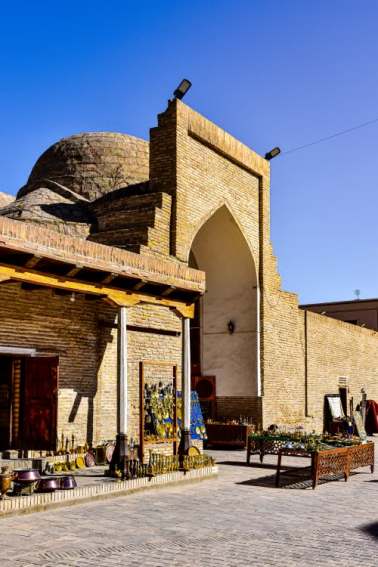
The concept of hospitality dates back thousands of years, with some of the earliest forms of lodging emerging in ancient civilizations. In Mesopotamia and Egypt, travelers relied on caravansaries—fortified inns built along trade routes to provide shelter, food, and safety for merchants and their animals. These establishments were often communal, offering little privacy but essential services for weary voyagers.
By the Middle Ages, Europe saw the rise of monastic guesthouses, where monks provided lodging to pilgrims and travelers. These were among the first institutions to prioritize hospitality as a duty of faith, offering beds, meals, and spiritual guidance. However, secular inns began to appear as trade expanded, particularly in bustling cities and along major roads. These early hotels were rudimentary, often consisting of a single room with a shared fireplace and straw-filled mattresses. Despite their simplicity, they laid the foundation for a structured hospitality industry.
The Birth of the Modern Hotel: 18th and 19th Century Innovations
The Industrial Revolution marked a turning point for the hotel industry, as urbanization and the growth of railroads created a demand for more sophisticated accommodations. The late 18th century saw the emergence of the first “grand hotels,” designed to cater to wealthy travelers. One of the most iconic examples is the Hotel de Crillon in Paris, which opened in 1758 and became a symbol of aristocratic elegance. These early hotels introduced amenities such as private rooms, formal dining, and concierge services, setting new standards for comfort and luxury.
The 19th century further revolutionized the industry with the advent of rail travel. Hotels near major train stations became essential for businesspeople and tourists alike. The Grand Hotel in Rome (1894) and the Waldorf Astoria in New York (1893) exemplified this era, combining architectural grandeur with meticulous service. These establishments were not just places to sleep but destinations in themselves, often featuring lavish ballrooms, libraries, and even elevators—innovations that were revolutionary at the time.
The Rise of Chain Hotels and Standardization
The early 20th century brought about the concept of chain hotels, which standardized service and made travel more accessible to the middle class. The Holiday Inn, founded by Kemmons Wilson in 1952, was a pioneer in this movement. By offering consistent, affordable accommodations along America’s growing highway system, Holiday Inn democratized travel, making road trips feasible for families and businesses. This model of scalability and brand consistency inspired countless other chains, including Marriott, Hilton, and Hyatt, which expanded globally in the latter half of the century.
Chain hotels introduced key innovations such as reservation systems, loyalty programs, and standardized room designs. This period also saw the rise of motels—budget-friendly, car-accessible lodgings that catered to road-trippers. While chain hotels prioritized efficiency and uniformity, they also laid the groundwork for the modern hotel industry by proving that hospitality could be both a business and an art form.
The Luxury Revolution: From Palaces to Iconic Destinations
By the late 20th century, the definition of luxury in hotels had expanded far beyond mere comfort. The rise of boutique hotels in the 1980s and 1990s, such as Ian Schrager’s Morgans Hotel in New York, marked a shift toward personalized, design-driven experiences. These hotels focused on unique aesthetics, local culture, and intimate settings, appealing to travelers seeking exclusivity and authenticity.
The 21st century has seen the emergence of ultra-luxury hotels that blur the line between hospitality and art. Properties like The Burj Al Arab in Dubai, Lalit Grand Palace in India, and Four Seasons George V in Paris redefine opulence with private butlers, bespoke services, and architectural masterpieces. These hotels are not just places to stay; they are destinations that offer immersive experiences, from private yacht charters to Michelin-starred dining. The concept of “destination hotels” has further evolved, with resorts like Amangiri in Utah and Banyan Tree in Phuket combining luxury with wellness, sustainability, and cultural immersion.
Technology and the Future of Hospitality
Technology has become a cornerstone of modern hotel evolution, transforming everything from guest interactions to operational efficiency. The introduction of online booking platforms like Booking.com and Expedia in the late 1990s and early 2000s revolutionized how travelers plan and book their stays. Mobile check-ins, digital room keys, and AI-powered concierges are now commonplace, offering guests convenience and personalization.
Emerging technologies such as virtual reality (VR) and augmented reality (AR) are also reshaping the industry. Hotels use VR to offer virtual tours, allowing guests to preview rooms before booking, while AR enhances in-room experiences with interactive guides and entertainment. Robotics and automation are another trend, with hotels like Henn-na Hotel in Japan employing humanoid robots for check-ins and room service. Sustainability has also become a priority, with eco-friendly initiatives such as energy-efficient designs, zero-waste policies, and locally sourced materials gaining traction among luxury and budget-conscious travelers alike.
The Cultural Shift: Experiential and Wellness-Centric Hotels
Today’s travelers are increasingly seeking experiences over material luxuries. This shift has given rise to hotels that prioritize wellness, adventure, and cultural immersion. Properties like Six Senses and Raffles offer holistic wellness programs, including yoga retreats, spa therapies, and farm-to-table dining. Meanwhile, adventure hotels in remote locations—such as Camp Sarika in India or Sheldon Chalet in Alaska—cater to thrill-seekers with activities like skiing, hiking, and wildlife safaris.
Cultural immersion is another key trend, with hotels incorporating local art, cuisine, and traditions into their offerings. For example, Banyan Tree resorts in Southeast Asia feature traditional Balinese healing rituals, while Belmond properties in Peru offer Inca-inspired stays with local guides. This focus on authenticity and connection reflects a broader societal move toward meaningful travel, where the hotel itself becomes a part of the journey rather than just a stopover.
Sustainability and Ethical Hospitality
As environmental and social consciousness grows, hotels are increasingly adopting sustainable and ethical practices. The push for green hotels has led to certifications like LEED (Leadership in Energy and Environmental Design) and Green Key, which recognize properties that minimize their environmental impact. Many luxury hotels now source ingredients locally, reduce single-use plastics, and invest in renewable energy sources. The concept of “circular hospitality” is also gaining traction, where hotels repurpose materials, reduce waste, and support local communities through employment and partnerships.
Ethical hospitality extends beyond environmentalism to include fair labor practices and community engagement. Hotels like Six Senses and Fairmont have implemented initiatives to support local economies, preserve cultural heritage, and ensure fair wages for staff. This commitment to sustainability and ethics is not just a trend but a necessity, as travelers become more discerning about the impact of their choices.
Conclusion: A Continuous Journey of Reinvention
The evolution of hotels from simple inns to luxury palaces is a testament to human ingenuity and the ever-changing nature of travel. Each era has brought new challenges and opportunities, shaping an industry that is as dynamic as it is diverse. From the monastic guesthouses of the Middle Ages to the AI-powered resorts of the future, hotels have continually adapted to meet the needs and desires of their guests.
As we look ahead, the hotel industry is poised for further transformation, driven by technology, sustainability, and a deeper understanding of what travelers truly value. Whether it’s the timeless elegance of a historic palace or the cutting-edge design of a boutique eco-hotel, one thing is certain: the spirit of hospitality will continue to evolve, ensuring that every journey—whether for business or pleasure—is met with warmth, innovation, and unforgettable experiences.
About the Author